
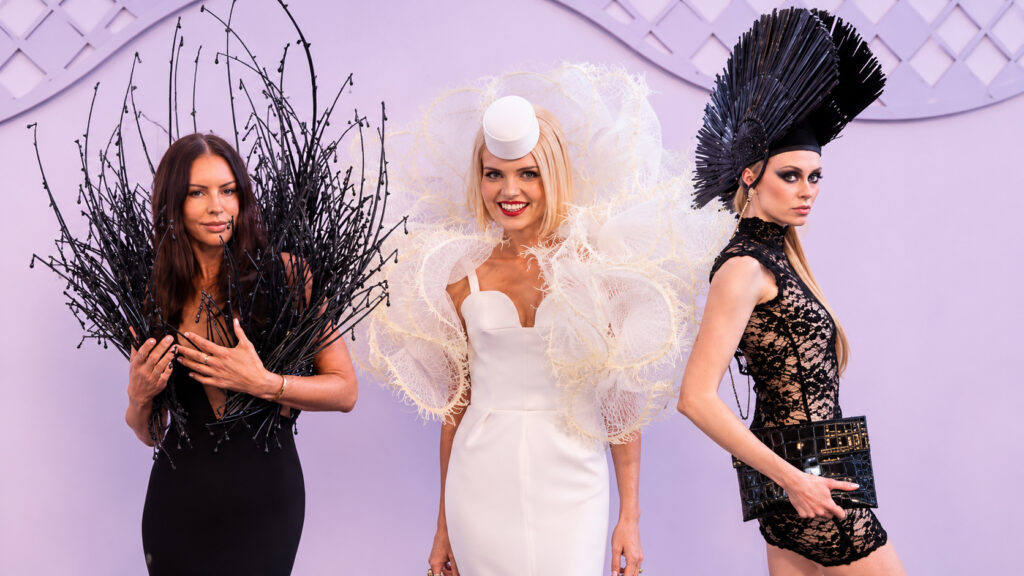
Derby Day – Fashion, Art and Self-Expression Collide
When fashion design and art come together, racewear becomes so much more than dressing for the occasion. Derby Day 2026 at Flemington celebrated individuality, beautiful craftsmanship, and artistic millinery, with some of Melbourne’s most fashionable faces making their own statements.
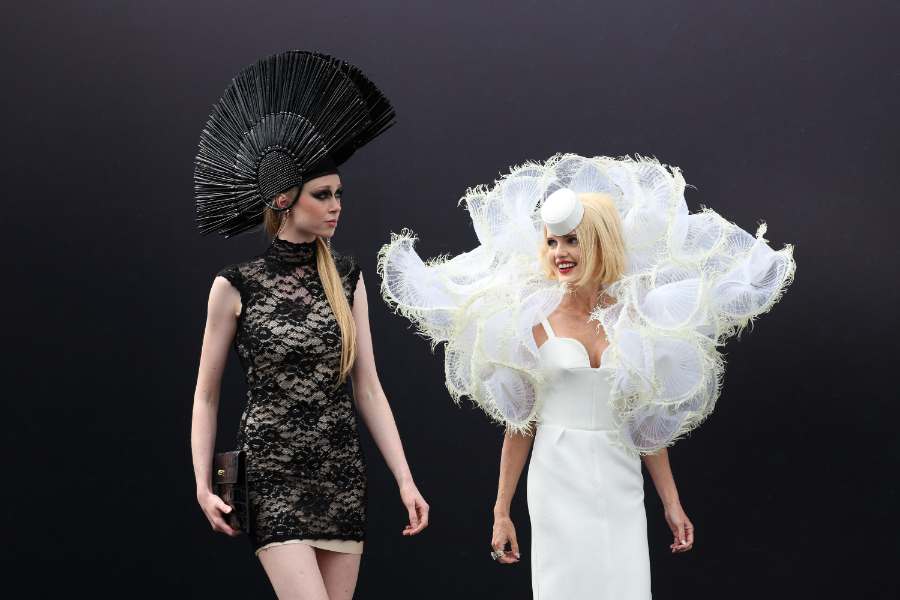
Traditionally known for its black-and-white dress code, Derby Day has always been one of the most stylish days on the Australian racing calendar. This year, the fashion went beyond tradition, with sculptural silhouettes, intricate headpieces, beautiful tailoring and designers bringing their creative visions to life.
Plenty of classic racing elegance remained, but what stood out was the individuality. Fashion is, after all, a form of self-expression, and the combination of design, styling, and millinery created some extraordinary looks.
Jason Grech Brings Fashion and Art Together
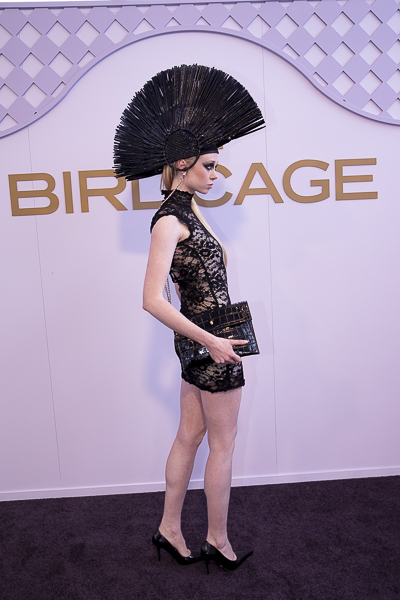
Melbourne designer Jason Grech was behind some of the day’s standout looks, dressing Alex Pike, Bella Henry and stylist Alicia Marshall.
Known for his beautifully constructed designs and attention to detail, Grech demonstrated how racewear can be both sophisticated and daring.
The millinery was equally impressive, with the work of celebrated milliners Richard Nylon and Matcho Suba adding another dimension to the designs.
Alex Pike wore Jason Grech with millinery by Richard Nylon. The combination of striking design and statement headwear brought a wonderful sense of artistry to the traditional racing look.
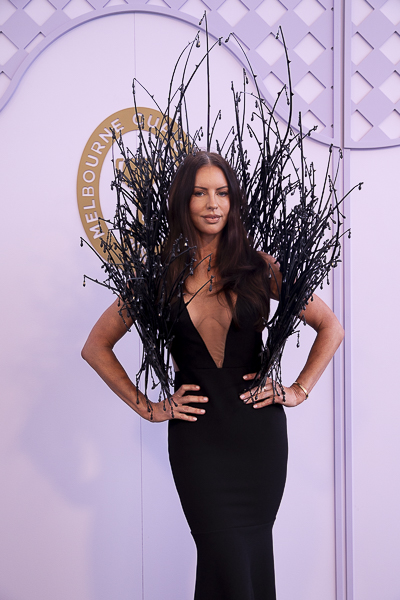
Alicia Marshall, also dressed in Jason Grech with a creation by Richard Nylon, once again showed why she has such a strong eye for fashion. Every detail was considered, from the silhouette to the accessories, with the millinery completing the look beautifully.
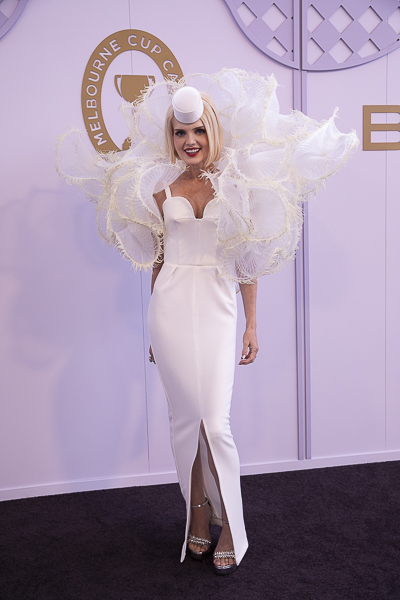
Bella Henry stepped out in Jason Grech with millinery by Matcho Suba. The pairing celebrated both fashion design and the craftsmanship of millinery, bringing together two creative disciplines in one distinctive look.
Lana Wilkinson
Fashion entrepreneur and stylist Lana Wilkinson chose Toni Maticevski, a designer renowned for his architectural approach to fashion.
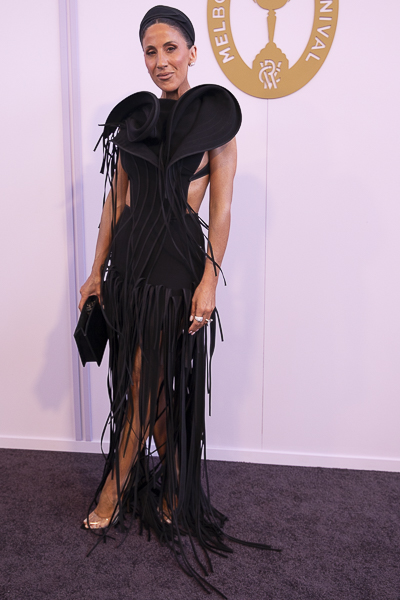
Maticevski’s signature sculptural lines and considered construction made a strong statement, demonstrating how beautifully modern design can translate into racewear.
Pip Edwards
Pip Edwards brought her own distinctive fashion identity to Flemington.
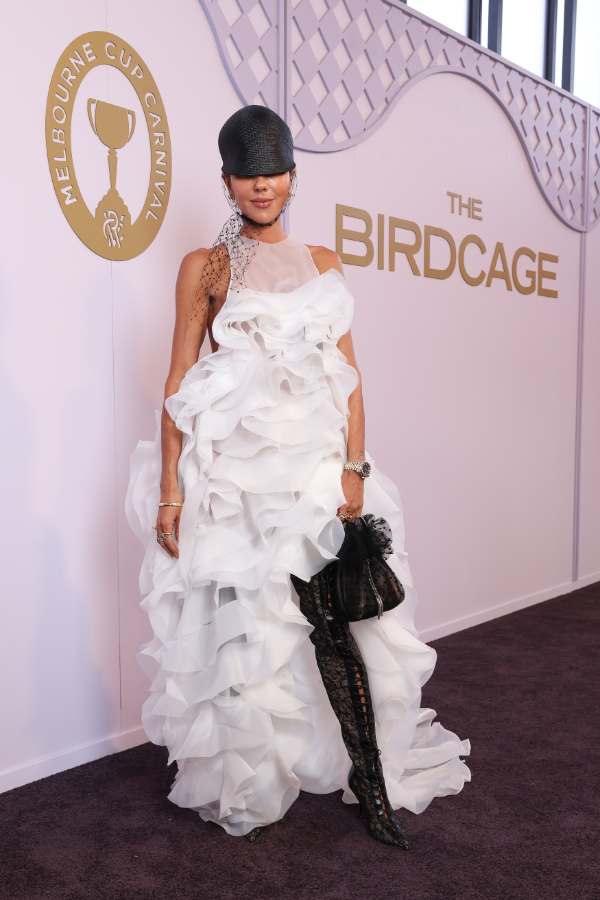
Known for her contemporary approach to dressing, Edwards has never been afraid to push traditional fashion boundaries. Her Derby Day appearance was another reminder that personal style is about confidence and individuality rather than simply following a dress code.
Elle Ray
Elle Ray embraced the creative side of Derby Day fashion, adding to the wonderful mix of individuality seen across Flemington.
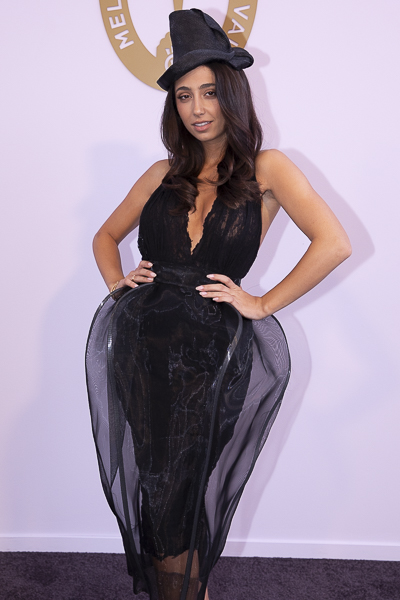
Her appearance reflected the growing appreciation for racewear that feels expressive, considered and a little unexpected.
Gai Waterhouse
Australian racing royalty Gai Waterhouse was another standout presence.
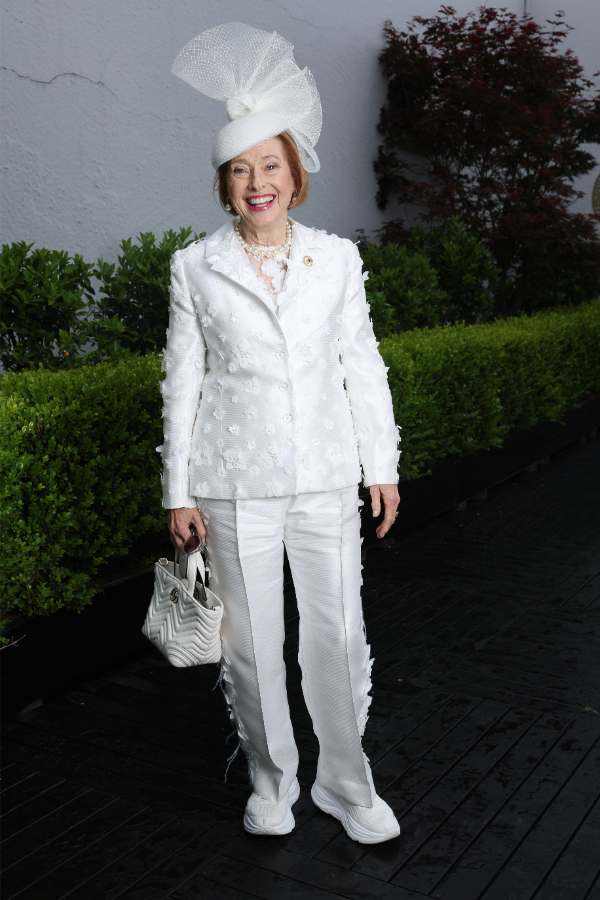
Waterhouse has long understood the importance of dressing for the races, with her signature sense of style and love of racing fashion making her one of the most recognisable figures at the carnival.
Fashions on the Field
Away from the celebrity arrivals, Fashions on the Field continued to celebrate the extraordinary creativity of racegoers.
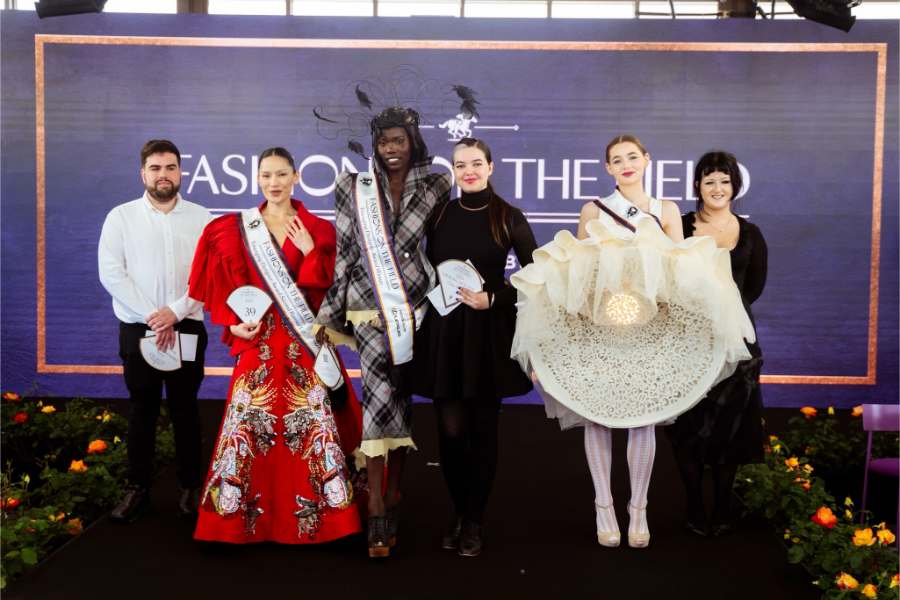
From elaborate headpieces to beautifully tailored ensembles, the competition remains an important platform for personal style and the art of dressing for the races.
Millinery, in particular, deserves recognition. A hat is no longer simply the finishing touch. In many cases, it becomes the centrepiece of an entire outfit, with the clothing designed to complement the headwear rather than the other way around.
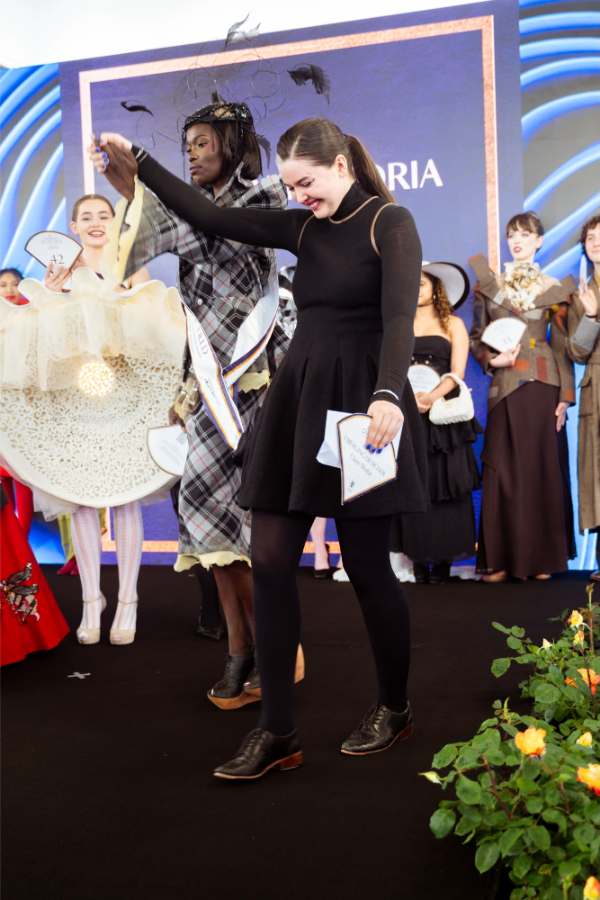
The skill involved in creating these pieces is remarkable. Shape, proportion, texture and balance all play a part, and when the right millinery meets the right design, the result can be something quite special.
When Racewear Becomes Art
What made Derby Day 2026 so interesting was the balance between tradition and creativity.
There was still a place for beautiful suiting, structured dresses, elegant hemlines and classic racing silhouettes. But there was also room for artistic interpretation, bold design and millinery that challenged convention.
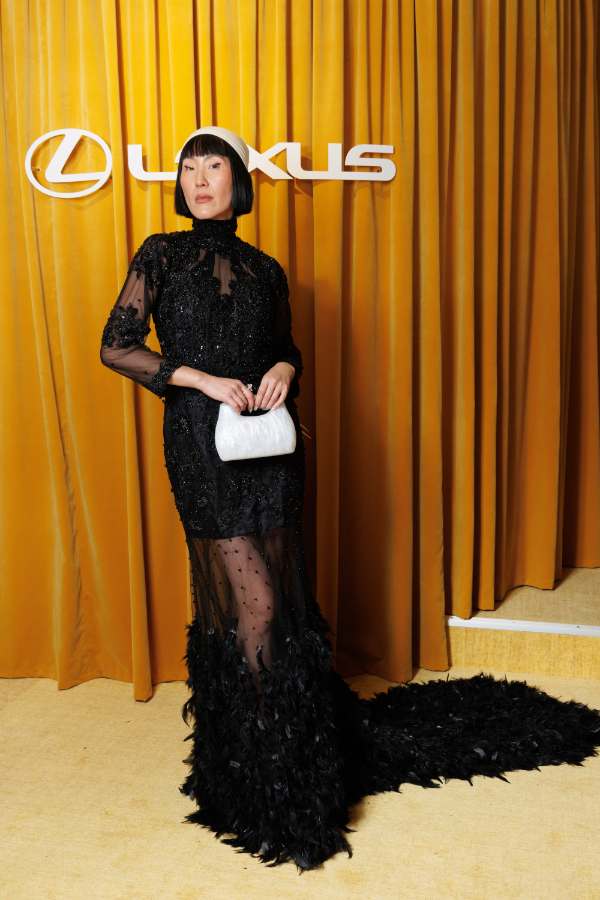
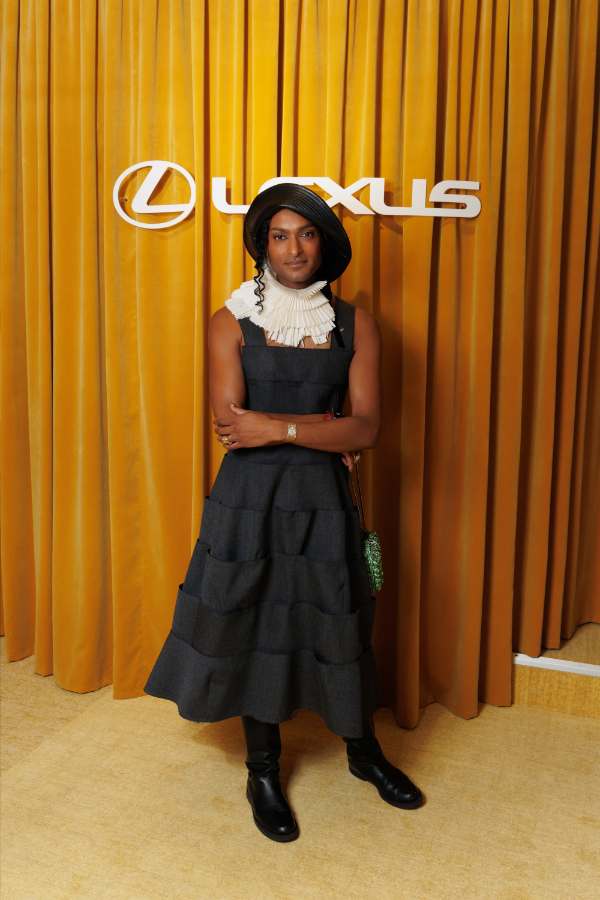
The most successful outfits were the ones where every element worked together, where the designer’s vision met the wearer’s personality, and the millinery became part of the story.
By Melinda Sullivan
Photography by Toby Sullivan


