
ELIZA Review.
By Jake Freeman
Long before ChatGPT, there was ELIZA. Melbourne Theatre Company’s compelling new production takes audiences back to the birth of the world’s first chatbot and asks questions about AI and human connection that feel more relevant than ever.
Simply put, there is no greater buzzword in today’s world than ‘AI’. It has completely embedded itself in our day-to-day lives, from the fear that it will one day replace our jobs to seeing something online and forever asking the question, “Is that real, or was it made by AI?”
We have long had an obsession with machines, AI and their interaction with humans. Some of the most famous and critically acclaimed films ever made have explored AI and what happens when it develops self-awareness, emotions and consciousness. Metropolis, 2001: A Space Odyssey, Blade Runner, WarGames, The Terminator, A.I. Artificial Intelligence, WALL-E and Her all come to mind.
Last Friday night at Southbank Theatre, ELIZA took us back to the origin story of where AI and the chatbot began. To understand the story of ELIZA, we first need to understand the people behind it and what was happening at the time.
In 1936, Dr Joseph Weizenbaum, who would become a brilliant computer scientist, fled Nazi Germany as a child with his family and moved to America. After completing his studies, Weizenbaum began working with analogue computers and became instrumental in the early development of digital computing.
Between 1964 and 1967, Weizenbaum created ELIZA, an early natural language processing program and the world’s first chatbot. It was also one of the first programs capable of attempting the Turing Test, a method developed by British mathematician Alan Turing to determine whether a machine could demonstrate human-like intelligence through conversation.
The program’s name was derived from Eliza Doolittle, the working-class woman trained to pass as a member of high society in George Bernard Shaw’s play Pygmalion and the musical My Fair Lady.
Weizenbaum intended the program as a way to explore communication between humans and machines. ELIZA had no real intelligence and could not converse with genuine understanding. Instead, he cast it in the role of a mock psychotherapist.
The program searched users’ messages for keywords such as “I” or “you” and then followed simple rules to generate replies. If it could not identify a suitable response, it relied on generic prompts such as “Please go on” or “Tell me more” to keep the conversation moving.
Weizenbaum had never envisioned ELIZA being used as a substitute for real-life mental health services. Rather, it was designed to study natural language communication between humans and machines and demonstrate how easily the illusion of understanding could be simulated.
He was shocked and disturbed by how captivated people became with ELIZA, often attributing human-like feelings to the computer program and becoming emotionally invested in their interactions. In some cases, users, including his own secretary, would even ask for privacy during their sessions with it.
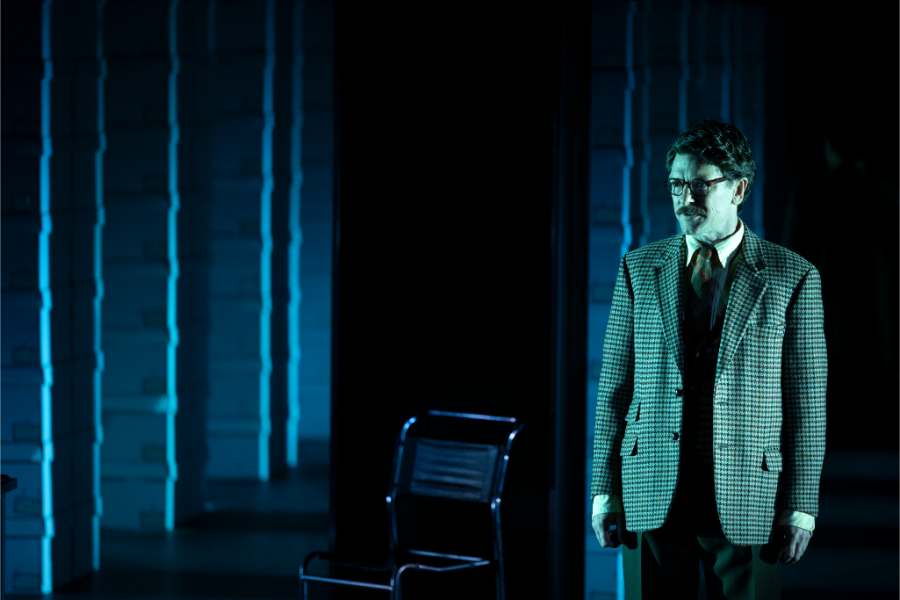
This phenomenon became known as the ELIZA Effect. “Some subjects have been very hard to convince that Eliza (with its present script) is not human,” Weizenbaum later observed in his 1966 paper.
Over time, Weizenbaum grew increasingly concerned about the social cost of artificial intelligence. He became one of AI’s earliest and most vocal critics and spent the rest of his life warning that artificial intelligence should never replace human judgement or responsibility.
From start to finish, Dan Spielman, Hamish Michael and Manali Datar are outstanding together, with each performer given the opportunity to shine.
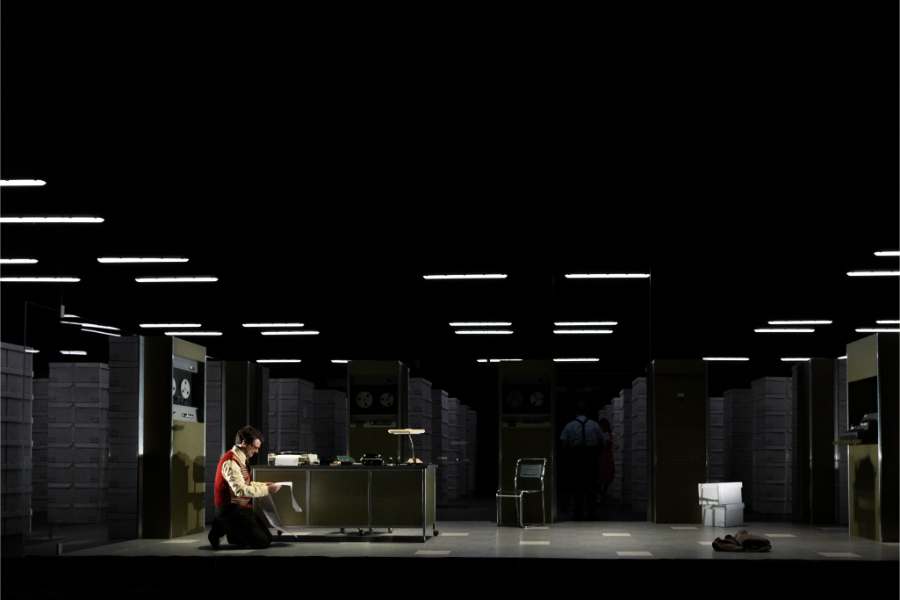
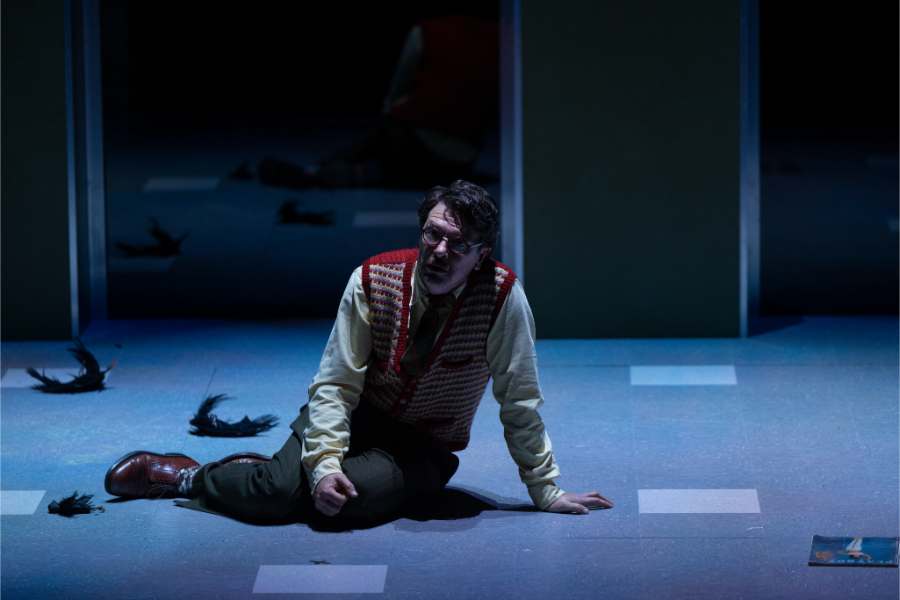
Leading the way is Spielman as Weizenbaum, delivering an outstanding and emotional performance while remaining on stage for practically the entire 100 minutes without an interval. I felt as though I was there with him on this emotional journey as he recounted Weizenbaum’s deeply personal story, speaking directly to the audience about his upbringing under an abusive father, his escape from Nazi Germany and his eventual work as a computer scientist.
Manali Datar is perfectly cast as the bubbly and energetic secretary, Becky. Some of the funniest and most entertaining moments of the show come from the interactions between her and Spielman’s character, with the two proving to be the antithesis of each other. Datar’s standout moment comes with her transformation into a therapist towards the end of the show.
Hamish Michael is also brilliant as Ronald, while taking on several minor characters with different accents and costumes. His ability to transition seamlessly between them within seconds is impressive.
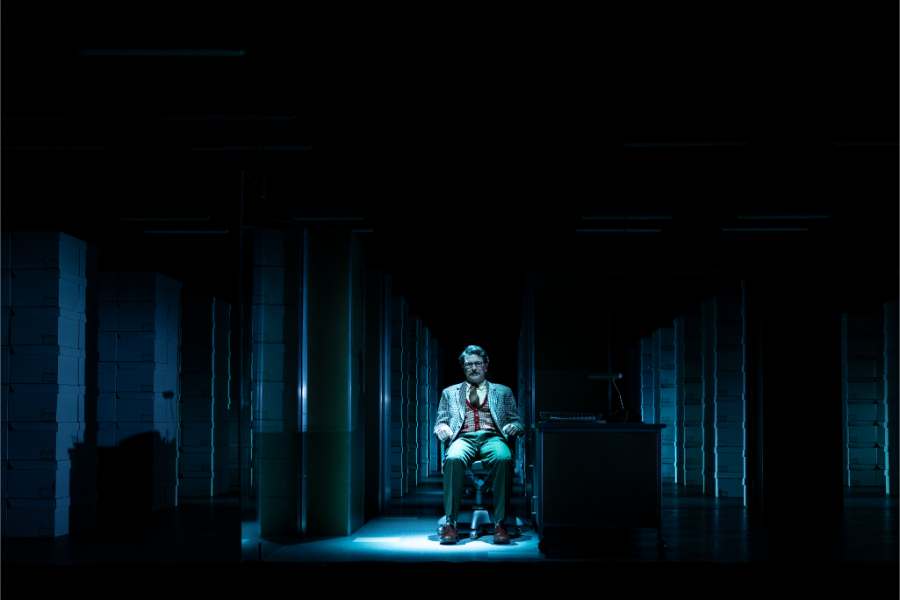
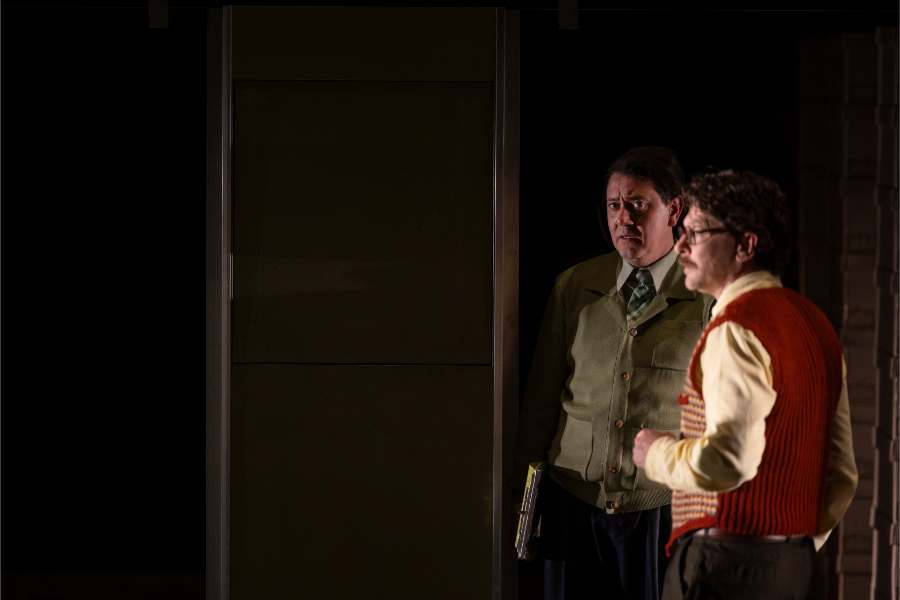
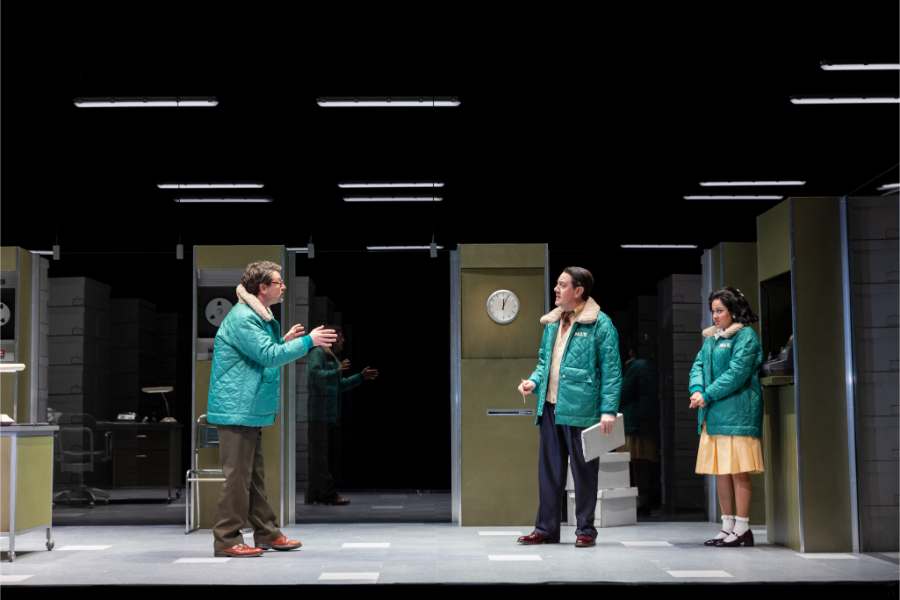
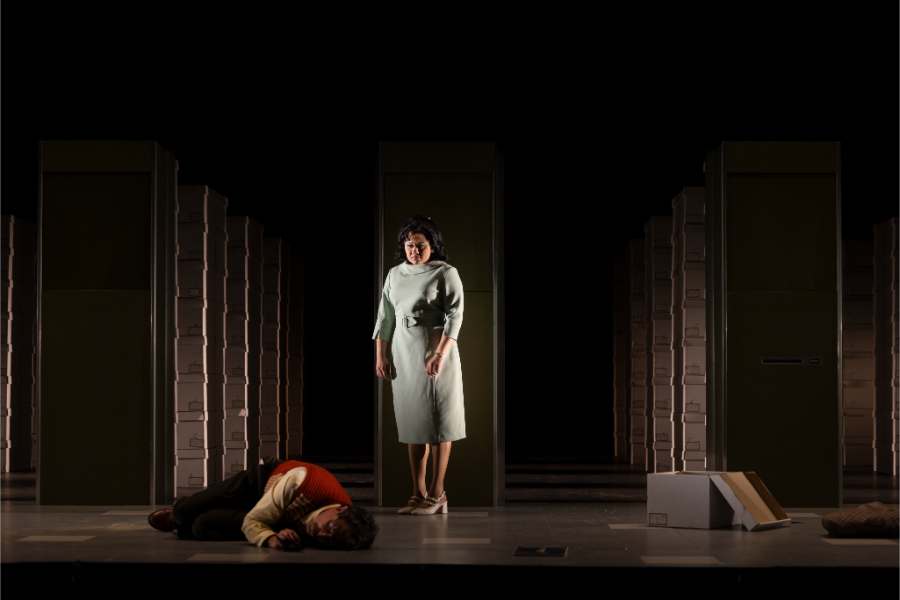
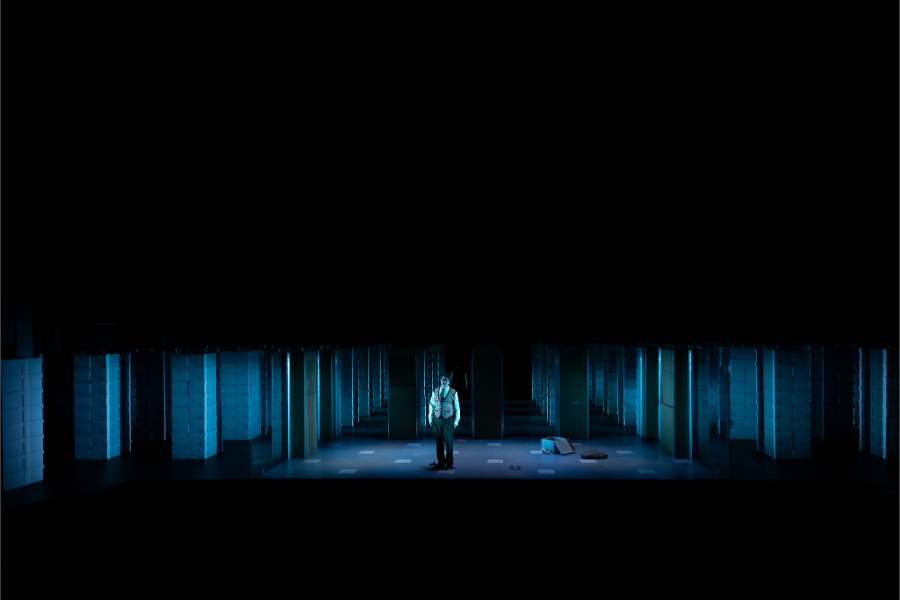
Production-wise, the staging is minimal but highly effective, with rows and rows of white file boxes and huge 1960s-era mainframe computers sitting on white tiles, complete with spinning magnetic reel tapes whirling quietly in the background.
While the play is set 60 years in the past, it directly and cleverly challenges the audience to confront our present-day willingness to surrender human connection to technology — exactly what Weizenbaum warned against.
A disturbing recent example was explored on 60 Minutes Australia, which examined the growing and potentially dangerous trend of people developing intimate relationships with AI companions and chatbots, as well as the real-world consequences that can follow.
From the beginning, ELIZA is absolutely compelling and a must-see show. It is an original, captivating and thought-provoking production that deserves greater exposure during its limited Melbourne season. It delivers an urgent and unnerving depiction of the birth of AI while providing timely commentary on the current landscape and the ongoing debate surrounding artificial intelligence.
ELIZA offers a unique perspective on both the optimism and scepticism surrounding AI and its capabilities in 1966 — attitudes that are eerily similar to those we are grappling with today in 2026.
As Joseph Weizenbaum once said, “The danger of the computer is not that the computer will begin to think like a human, but that the human will begin to think like the computer.”
ELIZA is directed by Paige Rattray and written by Tom Holloway. It stars Dan Spielman as Joseph Weizenbaum, Hamish Michael as Ronald and other supporting characters, and Manali Datar as Becky.
ELIZA is now playing for a limited season, through Saturday, 31 October, at The Sumner, Southbank Theatre, 140 Southbank Boulevard, Southbank.
The production contains mature themes, including references to violence against women and the Holocaust.
For more information, please visit https://www.mtc.com.au/plays-and-tickets/whats-on/season-2026/eliza