623 Collins Melbourne: Luxury Heritage Development Reviving Old Melbourne Glamour
There’s a reason everyone in Melbourne’s design scene keeps mentioning 623 Collins. The upcoming 42-storey development isn’t just another luxury tower arriving in the CBD — it’s making heritage feel exciting again.
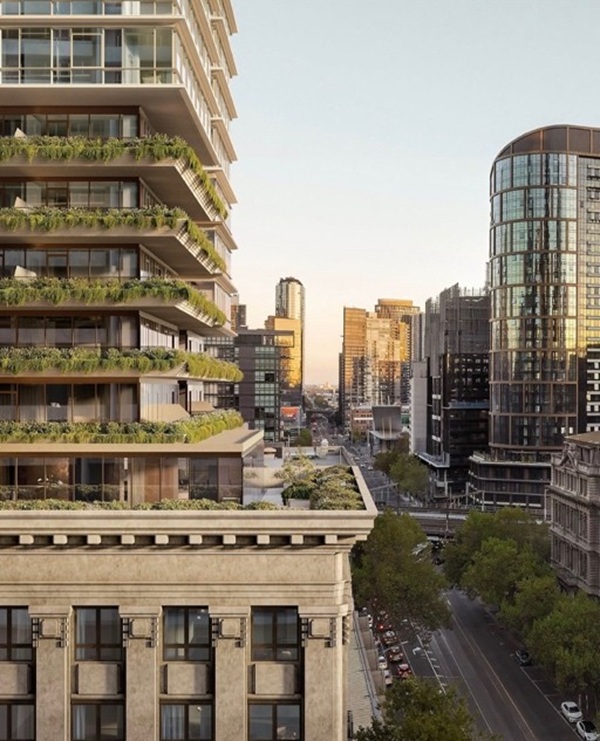
Set to transform one of Collins Street’s most historically significant sites, the project will blend contemporary residential living with two restored heritage buildings, including the original 1924 State Savings Bank of Victoria and the former Batman’s Hill Hotel. Once completed, residents will have access to over 800 square metres of wellness-focused amenities, including a bathhouse, sauna, steam room, cold plunge, yoga studio, private dining spaces and — because this is still Collins Street — an exclusive whisky bar perched high above the city for upper-level residents.
It’s polished, expensive and deeply Melbourne. But what’s making architects and developers obsess over the project isn’t the luxury offering — it’s the preservation.
Unlike most heritage-led developments, where the façade is kept while everything behind it quietly disappears, 623 Collins is preserving the building in full, inside and out. The entire three-dimensional structure remains part of the development, an admiration-felt approach in a city where heritage can often become little more than decorative branding for glass towers.
And trust us — the building itself deserves the attention.
623 Collins is redefining luxury living in Melbourne, blending heritage restoration, wellness amenities and contemporary design in one of Collins Street’s most ambitious developments.
Originally designed by Peck & Kemter and completed in 1924, the State Savings Bank of Victoria once stood as a symbol of prosperity, ambition and civic pride at the western end of Collins Street. Long before wellness clubs and rooftop lounges entered Melbourne’s vocabulary, this corner of the city represented a different kind of luxury — grand banking halls, theatre crowds, prestige retail and the kind of social life the city still romanticises today. By the 1950s, Collins Street had become the cultural heartbeat of Melbourne, where artists, retailers and influential figures collided beneath glowing theatre lights and café awnings.
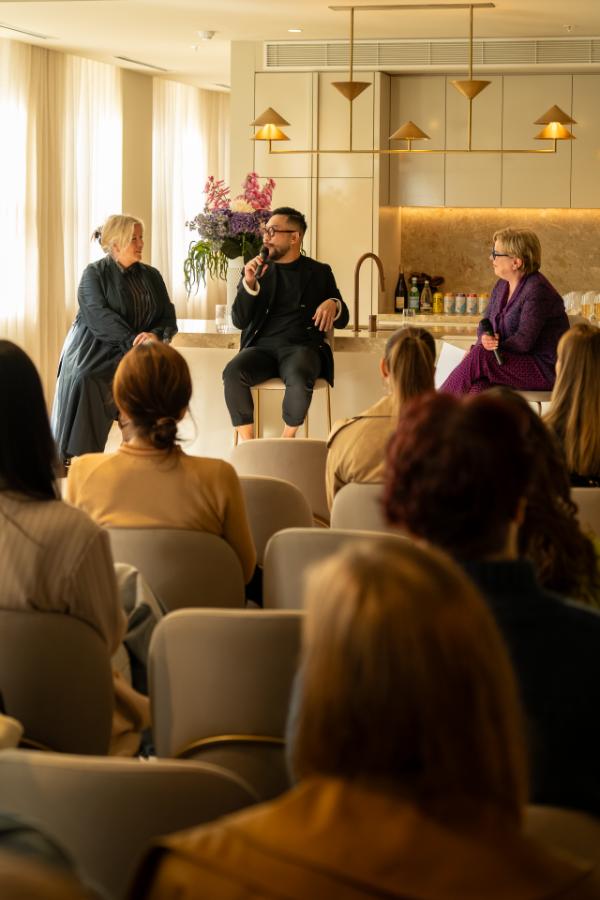
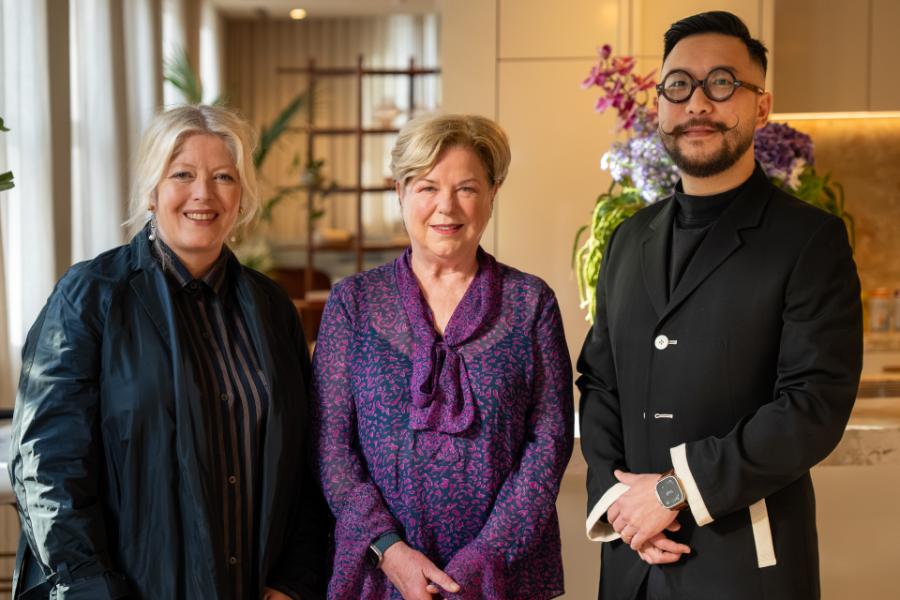
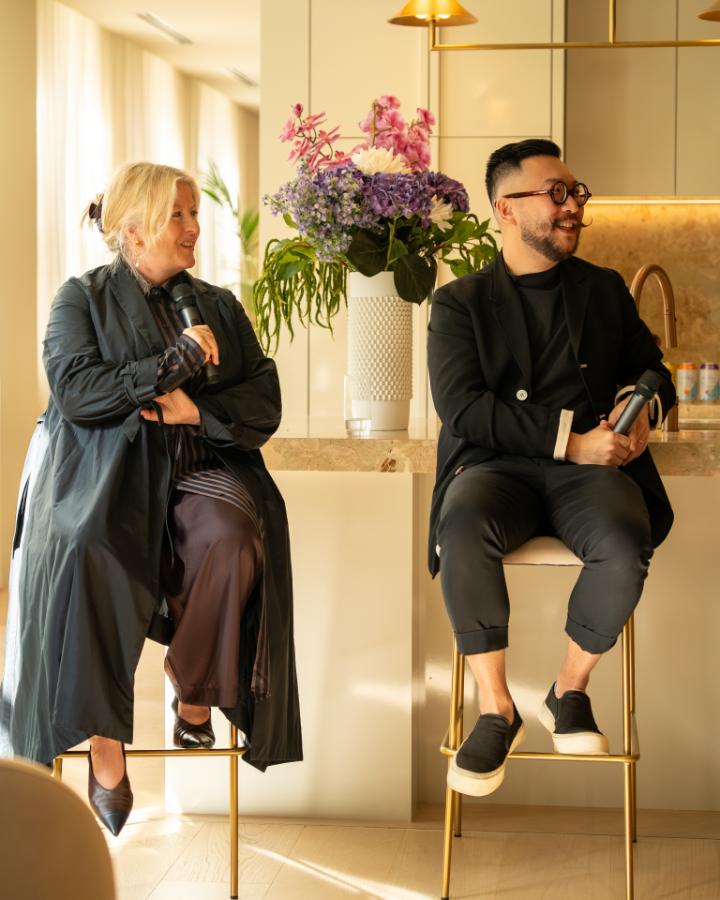
That layered history sat at the centre of Sterling Global’s Melbourne Design Week event this week, where a curated crowd of architects, interior figures and industry insiders gathered for a behind-the-scenes conversation with Fiona Lynch and Plus Architecture.
Much of the discussion focused on the challenge of balancing restoration with contemporary design without allowing either to overpower the other. Speakers referenced the idea of “drawing a line” between the heritage structure and the modern tower rising above it — creating a visible distinction between old and new rather than forcing imitation. Gold detailing woven throughout the project subtly connects the two eras, referencing the grandeur and richness long associated with Collins Street itself.
Hacer Group has now been appointed as the preferred builder for the development, which is expected to generate around 2,000 jobs and contribute approximately $800 million to Victoria’s economy, with completion expected in 2029.
Beyond the economics and luxury marketing language, 623 Collins taps into something Melbourne quietly loves more than almost anything else: the fantasy of old-world grandeur surviving inside a rapidly modernising city.
And for once, it seems the city might just get both.
Written by Bella Blake
Credit Nethaniel Rochester
Instagram: @innatecreativeau
LinkedIn: nethaniel-rochester