As someone who loves colour, spectacle, fabulous costumes and a big musical number, I wondered how I would feel settling in for Arthur Miller’s Death of a Salesman. The answer? Completely captivated.
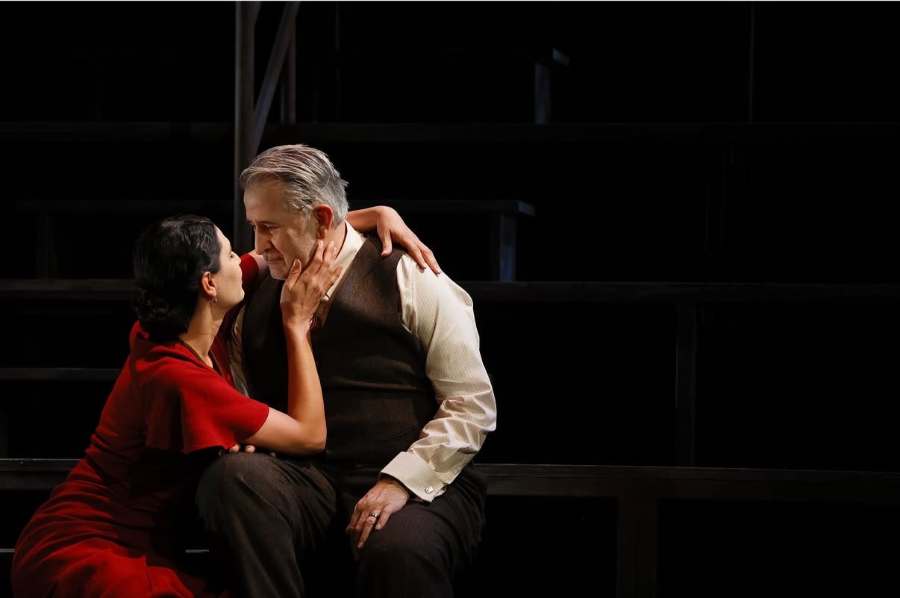
From the beginning, this production drew me into the complicated and increasingly heartbreaking world of Willy Loman and his family. There may be no dazzling chorus numbers or spectacular theatrical effects, but there doesn’t need to be. What unfolds on stage is powered by incredible acting, raw emotion and a story that, despite being written almost 80 years ago, feels remarkably relevant today.
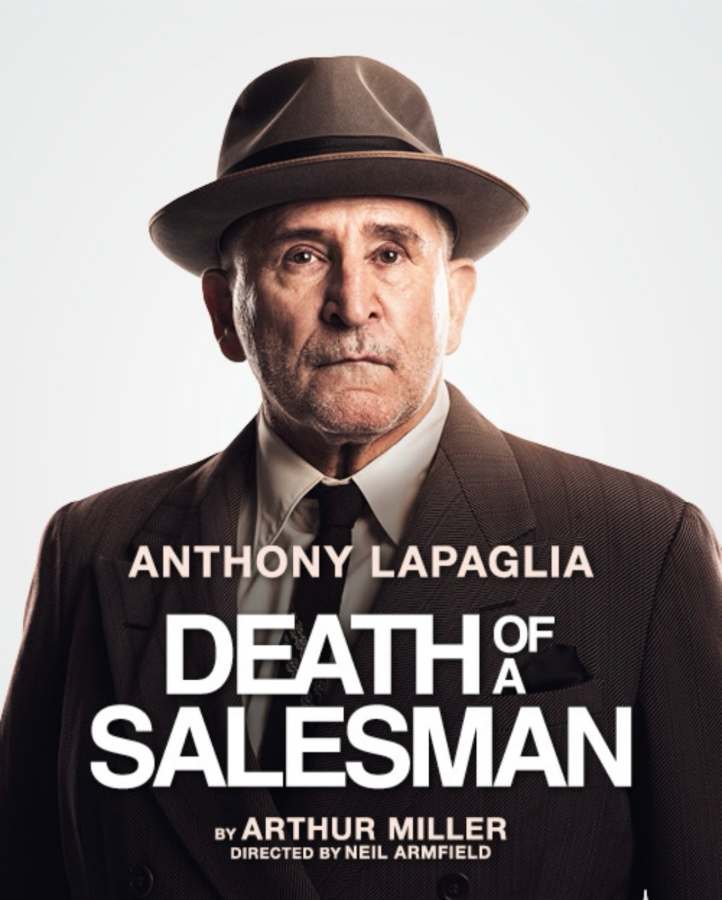
Anthony LaPaglia is brilliant as Willy Loman. From the moment he appears, he commands your attention. His husky voice, physical presence and ability to move between hope, frustration, anger and despair make Willy feel painfully real. You don’t simply watch a man struggling; you begin to feel the enormous weight he is carrying.
Willy has spent his life chasing his idea of success, believing that being well-liked and working hard should eventually deliver the life he dreamed of. But as those dreams begin to unravel, so does he.
Watching that struggle in 2026 gives the play another layer of relevance. At a time when so many people are dealing with cost-of-living pressures, financial uncertainty and expectations around what a successful life should look like, Willy’s story doesn’t feel like something from another era. It feels uncomfortably familiar.
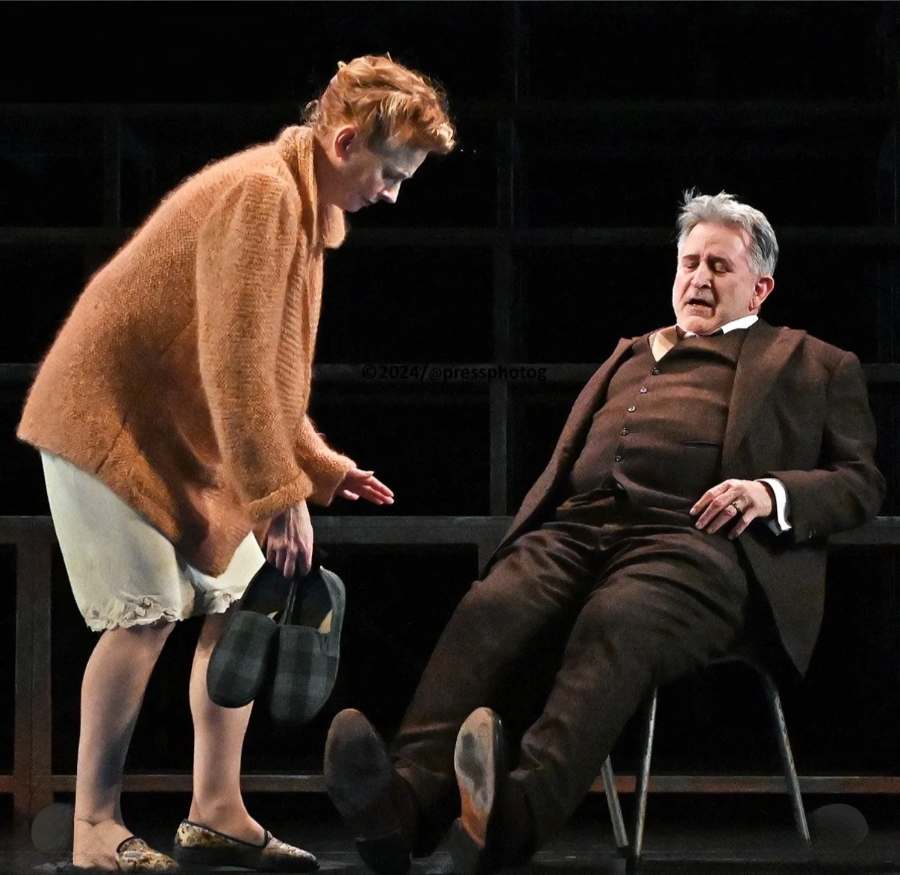
Alison Whyte delivers an equally powerful performance as Willy’s wife, Linda. One of the most affecting moments comes when she confronts their sons with the truth about just how badly their father is struggling. Her desperation to make them understand the seriousness of what is happening is heartbreaking.
The relationship between Willy and his sons, Biff and Happy, brings another layer of tension. There is love within this family, but also disappointment, resentment, expectation and years of things left unsaid. The performances are compelling, and the chemistry between the family members makes their increasingly fractured relationships all the more believable.
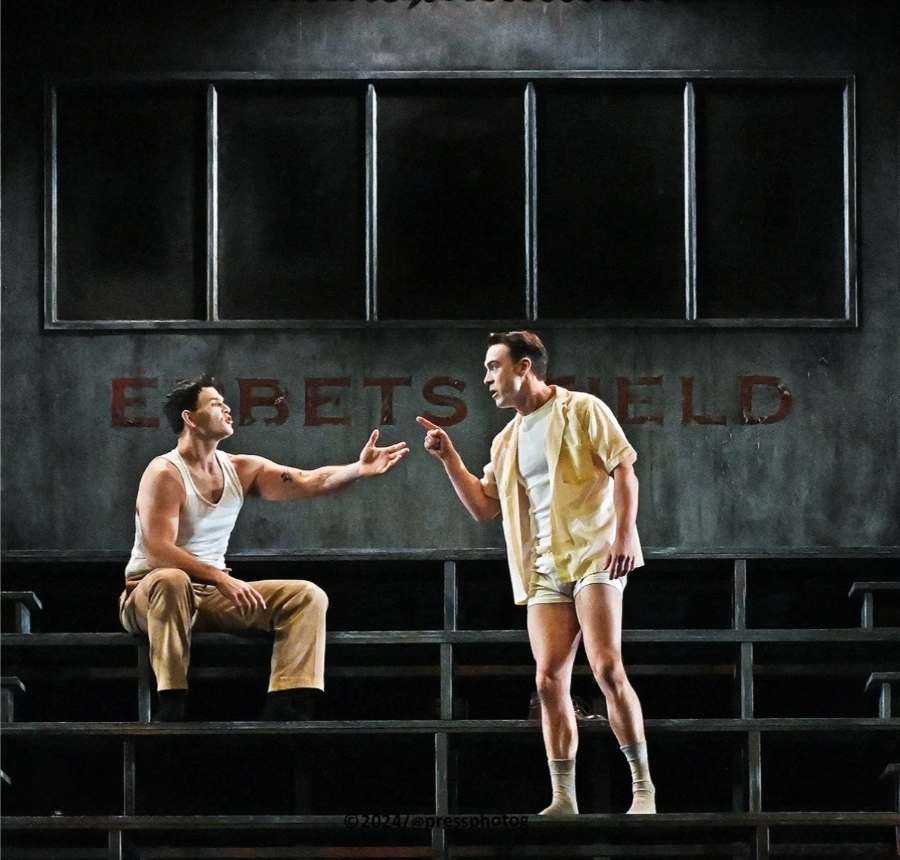
Visually, the production has an almost smoky, dreamlike quality. Performers remain visible around the stage at times, observing as memories and reality begin to merge. It’s an interesting theatrical device that complements Willy’s increasingly fragile state of mind and allows the story to move fluidly between past and present.
But ultimately, what stayed with me wasn’t a particular piece of staging. It was the sadness of it all.
Death of a Salesman presents an honest and sometimes confronting truth about how hard life can be. Dreams that never quite eventuate. About getting older. About money, family and pride. And about what can happen when the version of success we’ve spent our lives pursuing begins to slip away.
It’s devastating, but also incredibly human.
Perhaps that’s what surprised me most. I went into this production as someone who adores the colour and spectacle of theatre, yet some of the most captivating theatre requires very little spectacle at all. Sometimes extraordinary actors, brilliant writing and an honest human story are more than enough.
By the final moments, I understood exactly why Death of a Salesman has endured for generations.
And judging by the standing ovation that followed, I certainly wasn’t alone.
Brilliant, captivating and standing-ovation worthy.
Death of a Salesman
Written by: Arthur Miller
Directed by: Neil Armfield
Starring: Anthony LaPaglia, Alison Whyte, Josh Helman and Ben O’Toole
Venue: Her Majesty’s Theatre, 219 Exhibition Street, Melbourne
Melbourne season: 11–22 August 2026
Running time: Approximately 3 hours and 5 minutes, including interval
Presented by: GWB Entertainment and Andrew Henry Presents in association with Her Majesty’s Theatre
Tickets: www.salesmanaustralia.com.au